Ice Cream Machine Compliance Guide: Certification Readiness and Regional Standards
Compliance readiness for an industrial ice cream machine project is a specification-stage decision, not a paperwork task that can be finished after the machines have been shipped. Before a purchase order is issued, the destination market's food-safety, hygiene, cleaning and electrical expectations should be mapped onto named equipment — the SNM mixing and pasteurizing machine, the SNCF continuous freezer, the SNP production line, the SNLF filling machine, the SNL molded stick ice cream machine, the SNEX extrusion and hardening line and the SNSMZ sandwich machine — so that the certification and documentation review can be completed against the machines that are actually delivered, rather than against machines that would have to be modified afterwards.

Figure 1 — An ice cream moulding line (SNP family). Compliance evidence is assembled module by module, starting with material grade and cleanability.
What “Compliance Ready” Means in an Ice Cream Machine Project
Compliance readiness means being able to demonstrate — first to your own QA team, later to a market inspector or a retail customer — that an ice cream machine was designed, built and documented to the requirements of its destination market. For an industrial ice cream machine system, that demonstration runs on two parallel evidence tracks.
The first track is food safety and hygiene. It covers the grade of food-contact stainless steel, surface finish and drainage, cleanability of product paths, the design of the CIP cleaning system for ice cream machines, and the records that accompany pasteurizing and aging stages. The second track is electrical and mechanical conformity. It covers the standard that a refrigerating appliance is assessed against, the traceability of drives, sensors, valves and compressors, and control documentation that a third party can read without visiting the factory.
Projects usually run into difficulty for a small number of predictable reasons. A material grade is substituted late in fabrication because SS316 was specified in the quotation but SS304 was priced. Component brands are swapped without updating the bill of materials, so the traceability pack no longer matches the delivered machine. CIP is treated as an optional accessory on the mixing and pasteurizing module rather than as part of the hygienic design argument. Or the destination market is confirmed only after the line has been built, when a change in power configuration, guarding or documentation package is no longer inexpensive to make.
Practical rule: for every module in the line, decide the material grade, the cleaning method, the component brands and the electrical configuration before fabrication. Those four decisions generate most of the documentation a buyer will be asked for later.
Industry Background: Why Equipment Documentation Is Under More Scrutiny
Ice cream equipment is a growing but unevenly measured market, and that unevenness is itself a compliance issue: buyers who quote market data in internal business cases should know which scope a number covers.
- The global ice cream processing equipment market was valued at approximately USD 2.33 billion in 2025, with projections to reach USD 3.00 billion by 2034 at a CAGR of 2.71% (IMARC Group).
- Hard ice cream processing equipment accounted for 57.8% of the total ice cream equipment market in 2025, with continuous freezers the leading product type (Future Market Insights).
- The ice cream moulding production line segment alone was valued at USD 1.2 billion in 2024 and is expected to reach USD 2.5 billion by 2034 on rising automation demand (Reports and Data).
- On the supply side, Tetra Pak is the leading manufacturer in the industrial ice cream equipment sector, with machinery used in over 75% of commercial production lines worldwide as of early 2026 — a benchmark that shapes what documentation reviewers expect from any supplier.
- Dairy machinery trade (HS Code 843420) in 2024 was led by Germany (USD 74.4M), Poland (USD 64.9M) and Italy (USD 61.7M) in export value (OEC), which is one reason European engineering documentation is often used as a comparison standard in procurement reviews.
- For the refrigerating side of a line, the relevant international reference is IEC 60335-2-89:2019, the safety standard for electrically operated refrigerating appliances with incorporated motor-compressors.
Scope caution: published valuations of this market differ substantially depending on whether “processing equipment”, “ice cream equipment” or the full machinery market is being counted. When a supplier or an internal business case quotes a market size, check the scope before using it in a compliance or investment decision.
Two structural trends follow from these numbers. First, continuous freezers and moulding or extrusion lines remain the centre of gravity of ice cream production investment, so that is where certification and documentation questions concentrate. Second, because a large share of global capacity is supplied by a small number of manufacturers, buyers increasingly ask mid-sized suppliers to match that documentation baseline, not only the mechanical performance.
How Snowball Machinery Structures Equipment for Documentation Reviews
Snowball Machinery Manufacturing Co., Ltd is an ice cream equipment manufacturer that integrates R&D, manufacture, assembly, commissioning, export and after-sales service. The company was founded in 2020, operates a 4,000 m² factory with 50 employees and a 10-engineer R&D team, produces up to 1,200 sets per year, and exports around 90% of its output to North America, South America, Europe, Asia and Africa.
Food-grade material is the first compliance decision
Every major module — SNM mixing and pasteurizing machine, SNP production line, SNCF continuous freezer, SNLF filling machine, SNL molded stick ice cream machine, SNEX extrusion and hardening line, SNSMZ sandwich machine, SNFF ingredient feeder and SNB associated machines — is built in high quality food grade stainless steel SS304 / SS316. Grade matters because it is the single hardest item to change after fabrication and the item most often requested in writing by market reviewers. Project evidence shows both grades in real use: a European manufacturer's sandwich line was constructed in food grade 304 stainless steel for hygiene compliance, while a North American upgrade project used food grade 316 stainless steel workstations to meet North American production compliance requirements.
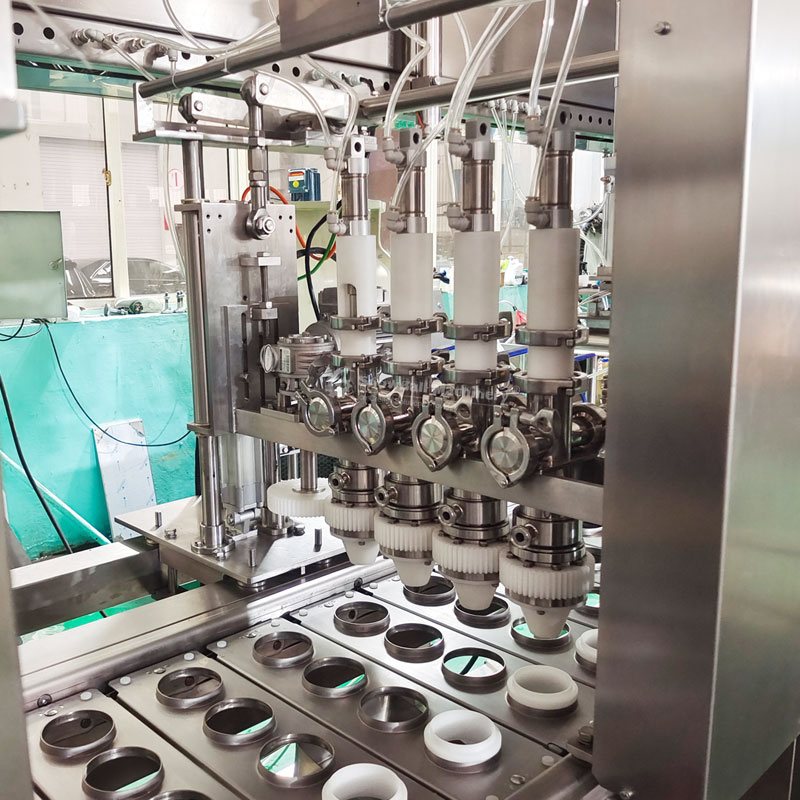
Figure 2 — Servo ice cream filling (SNLF). Servo-driven filling is one of the modules where component traceability supports both performance and documentation claims.
Cleaning and pasteurizing on the SNM mixing machine
The SNM module carries most of the hygienic-design burden in a line. Its configuration spans an HTST system, HTST pasteurization, a batch pasteurizing system, homogenizer, CIP cleaning, aging tank (aging vat), chocolate tank and chocolate holding tank, a chiller water system with water cooled chiller, and a high shear mixer. Because pasteurizing and cleaning are the two stages most frequently audited in frozen dessert production, integrating CIP into the same module as the premix processing and pasteurizing functions gives buyers one continuous cleanable path to document instead of several separate ones.
Freezing capacity as verifiable evidence
The SNCF continuous freezer series is available as 50L, 300L, 600L, 1200L and 1500L models, with a documented capacity range of 50–1500 L/H, 100% overrun, input material at +5 °C and output material at −5 °C. In a compliance file these figures are valuable because they are fixed, checkable numbers that can be tied to the machine nameplate, the process description and the capacity claim made in the project plan.
Product-specific modules and the documentation they carry
- SNP production line — covers moulding, extrusion, filling, sandwich and cake configurations, including industrial ice cream cake machines, customised to product design and hourly capacity.
- SNLF filling machine — robot, rotary, linear, cup, cone and family pack configurations, with servo ice cream filling, chocolate or sauce topping, dry topping, lid dispensing and heat sealing units.
- SNL molded stick ice cream machine — moulded sticks, popsicle, ice lolly and water ice products; moulds can be replaced to change product shapes.
- SNEX extrusion and hardening line — choco bars, magnum-type products, cake ice cream, sandwich, wave, ball cone, bonbon and log formats.
- SNSMZ sandwich machine — automatic or semi-automatic ice cream cookie sandwich production.
- SNFF ingredient feeder — SNFF1000, SNFF2000 and SNFF4000 models, with capacity from 50 to 4000 litres per hour.
- SNB associated machines — packing, secondary packaging, cartoning, cone baking and cold storage room.
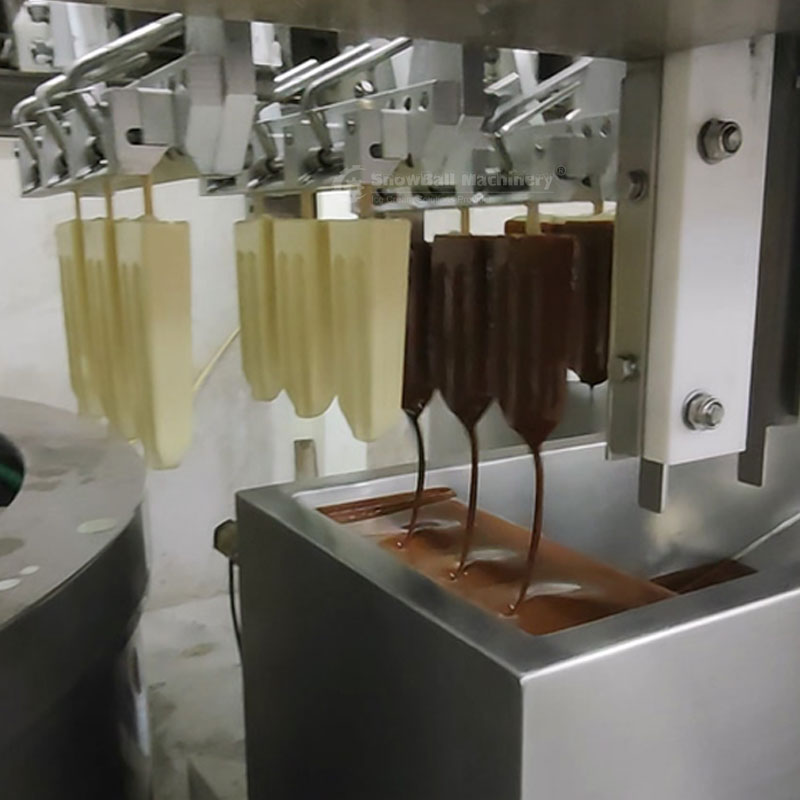
Figure 3 — Chocolate coating station, one of the optional SNLU units for stick ice cream lines. Optional units belong in the same documentation package as the main line.
Component traceability through named international brands
Main components across the range adopt internationally renowned brands, including SIEMENS, Schneider Electric, FESTO, SMC, Danfoss, ABB, Bonfiglioli, igus, Copeland, Bitzer and SEW Eurodrive. Named components matter to a review for a simple reason: a recognised part number can be verified more easily than a generic assembly, and a spare-part strategy built on branded components is easier to defend across the service life of a line.
Services that support the review, not only the machine
Equipment alone rarely satisfies a project timeline. Snowball Machinery provides factory layout design, installation, commissioning and operational training as part of a turnkey ice cream machine solution, and equipment is customised against production scale, product positioning, product design and workshop conditions. Quality control runs from material selection through to production under food safety production standards with 100% testing, and after-sales support covers on-site installation and commissioning, equipment upgrading, maintenance, fault handling, spare parts supply and regular inspection.
Step-by-Step: Preparing a Compliant Ice Cream Machine Project
The sequence below reflects how compliance work is normally ordered on a frozen dessert project. Each step produces a document that the next step depends on, which is why the order matters more than the calendar.
- Fix the destination markets before the specification. Write down every market where the finished product will be sold or distributed, not only the country of installation. A single line serving two markets must satisfy the stricter documentation set.
- Map market requirements onto named equipment. Assign each requirement to a module: hygiene and material to SNM, SNP, SNLF, SNL, SNEX and SNSMZ; cleaning validation to the CIP circuit on the SNM module; electrical and control evidence to the freezer and drive sections of the SNCF series.
- Lock the material grade. Confirm in writing whether food grade SS304 or SS316 is required for each product-contact part, and record it on the purchase specification so it cannot be substituted during fabrication.
- Confirm the cleaning method. Decide whether cleaning will be manual, CIP or a combination, and make sure the CIP circuit is part of the hygienic design rather than a later addition.
- Record component brands in the bill of materials. List the SIEMENS, Schneider Electric, FESTO, SMC, Danfoss, ABB, Bonfiglioli, igus, Copeland, Bitzer and SEW Eurodrive components actually fitted, together with their positions in the line.
- Verify against test records. Use the 100% test regime from material selection through production as your internal check, and match capacity figures — for example the documented 50–1500 L/H and +5 °C to −5 °C range of the SNCF series — against the process description in the project file.
- Assemble the documentation package before shipment. Combine material certificates, component lists, test records, control descriptions and cleaning procedures into one package, and confirm with the supplier which documents will be issued in which language before the container is loaded.
Use Cases: How Compliance Requirements Played Out in Real Projects
European sandwich line: hygiene compliance as the entry ticket
A European ice cream manufacturer added an ice cream sandwich production line based on the SNSMZ machine, adaptable to multi-specification and multi-flavour production. The equipment was built with food grade 304 stainless steel for hygiene compliance and designed to strictly meet EU food safety and environmental standards. Installation, commissioning and product launch were completed quickly, and the line has operated stably for five years. The compliance lesson here is sequencing: material and cleaning decisions were made with the sandwich format first, which made the hygiene argument simpler than if the product format had changed after the build.
North American upgrade: SS316 and a 70% reduction in upgrading cost
A long-established ice cream manufacturer upgrading equipment that had been in service for around 40 years needed new workstations that matched an existing production line rather than a rebuilt plant. The solution used food grade 316 stainless steel workstations complying with North American production compliance requirements, designed to match the original line without overall reconstruction. Upgrading costs were cut by 70%, production efficiency increased by 40%, labour costs fell by 30%, and the equipment has operated stably for six years. This is the clearest illustration of the guide's central argument: compliance-driven specification, applied module by module, can cost less than full replacement — but only when it is planned before fabrication.
New factory in a high-temperature, high-humidity market
A newly established ice cream manufacturer building a factory from scratch commissioned a complete line with continuous freezers, an extrusion tunnel, packing machines and auxiliary supporting equipment, producing roughly 9,000–10,000 pieces per hour with multi-flavour flexibility. The line was engineered to suit the region's local power supply and operating environment, and total line costs were 70% lower than premium European brands while matching their quality and output performance. The equipment has run stably for three years under high-temperature and high-humidity conditions, and a modular design keeps future capacity expansion straightforward. Power configuration and humidity resistance were the two requirements that had to be settled at specification stage; both would have been expensive to retrofit.
Long-running reference: a branded manufacturer's cone and stick lines
A world-renowned ice cream brand operates an automatic cone filling line at 10,000–15,000 pieces per hour and a stick ice cream production line at 15,000–20,000 pieces per hour, with equipment that has run stably for 12 years. Machines are built in stainless steel (SS304/SS316) with internationally branded key components to support long-term stable operation. Service duration is itself part of the compliance story, because documentation, spare parts and maintenance records must remain traceable across the whole operating life of a line.
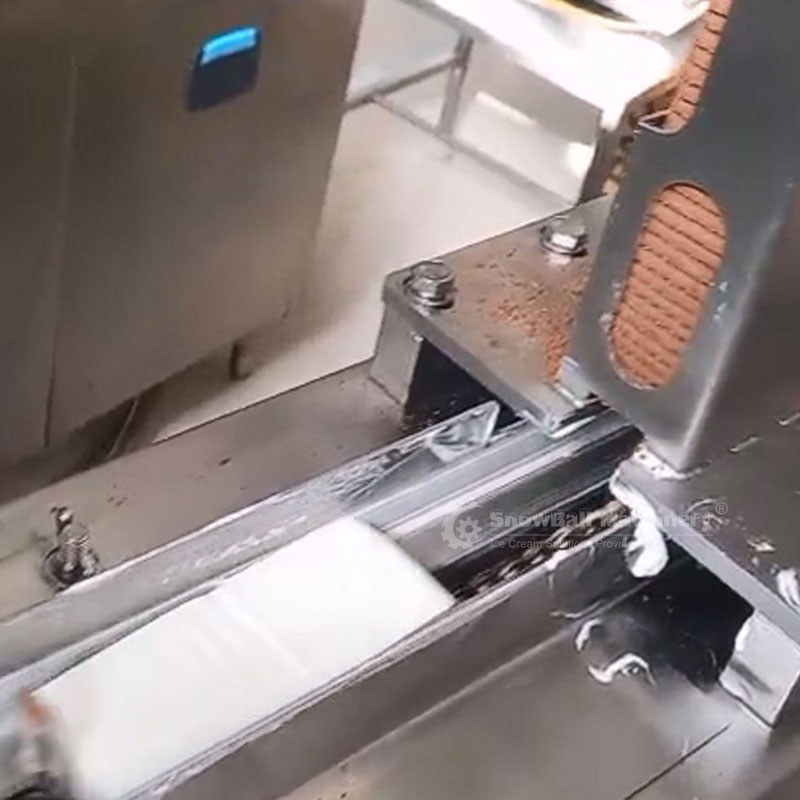
Figure 4 — Ice cream cookie sandwich machine (SNSMZ), the configuration used in the European project described above.
Comparison: Module Data and Regional Documentation Focus
The first table collects the equipment data a compliance file usually has to quote. The second maps common market patterns to the documents buyers prepare, using only evidence from the projects described in this guide.
| Module | Model | Role in the line | Documented specification relevant to a review |
|---|---|---|---|
| Mixing and pasteurizing | SNM | Premix processing, HTST pasteurization, batch pasteurizing, homogenizing, aging, CIP cleaning, chocolate handling | Food grade SS304 / SS316; HTST system and batch pasteurizing system; integrated CIP cleaning |
| Continuous freezer | SNCF 50L / 300L / 600L / 1200L / 1500L | Continuous freezing of ice cream mix before forming | Capacity 50–1500 L/H; overrun 100%; input +5 °C; output −5 °C |
| Production line | SNP | Moulding, extrusion, filling, sandwich and cake lines | Non-standard custom build based on product design and hourly capacity; SS304 / SS316 |
| Filling | SNLF | Cup, cone, family pack, bulk and ripple filling | Servo filling, topping and lid-dispensing units, heat sealing; SS304 / SS316 |
| Moulded stick | SNL | Moulded stick ice cream, popsicle, ice lolly, water ice | Replaceable moulds for shape changes; SS304 / SS316 |
| Extrusion and hardening | SNEX | Extruded and hardened novelties: choco bars, magnum type, cake, sandwich, wave, ball cone, bonbon, log | Product range defined by customer product design; SS304 / SS316 |
| Sandwich | SNSMZ | Ice cream cookie sandwich production | Automatic or semi-automatic configuration; SS304 / SS316 |
| Ingredient feeder | SNFF1000 / SNFF2000 / SNFF4000 | Inclusion feeding for fruit, nuts, chocolate pieces and similar ingredients | Capacity 50–4000 L/H |
| Associated machines | SNB | Packing, secondary packaging, cartoning, cold storage | SS304 / SS316; customised to capacity requirements |
| Market pattern | Typical documentation focus | Evidence from the projects in this guide |
|---|---|---|
| European Union projects | Food safety and environmental compliance; hygiene-grade material | European sandwich line built in food grade 304 stainless steel for hygiene compliance, meeting EU food safety and environmental standards |
| North America | Material grade for production compliance | Upgrade project using food grade 316 stainless steel workstations complying with North American production compliance requirements |
| Latin America and tropical or high-humidity markets | Power supply adaptation; stable operation in high temperature and high humidity | Custom line engineered for the region's local power supply and operating environment; three years of stable operation in high-temperature and high-humidity conditions |
| Global electrical baseline | Safety of electrically operated refrigerating appliances with incorporated motor-compressors | IEC 60335-2-89:2019 |
| Any multi-market project | Traceability of drives, controls, valves and compressors | Main components from SIEMENS, Schneider Electric, FESTO, SMC, Danfoss, ABB, Bonfiglioli, igus, Copeland, Bitzer and SEW Eurodrive |
FAQ: Certification, Capability, Budget, Samples and Lead Time
Which standard applies to the refrigerating side of an industrial ice cream machine?
IEC 60335-2-89:2019 is the safety standard covering electrically operated refrigerating appliances with incorporated motor-compressors, and it is the international reference most often cited for the freezing side of an ice cream line — continuous freezers and hardening tunnels in particular. It addresses electrical safety; it does not replace the food-safety and hygiene requirements of a destination market, which is why buyers normally combine it with material and cleaning evidence such as food grade SS304 or SS316 construction and an integrated CIP cleaning circuit. Confirm that the standard edition you cite is the one your destination market applies before it goes into the project file.
Can a supplier configure an ice cream machine line to meet a specific market's compliance requirements?
Yes, provided the requirements are known before fabrication. On Snowball Machinery projects, equipment is customised against production scale, product positioning, product design and workshop conditions, and material grade is stated as food grade SS304 or SS316 per module — SNM mixing and pasteurizing machine, SNP production line, SNCF continuous freezer, SNLF filling machine, SNL molded stick ice cream machine, SNEX extrusion and hardening line and SNSMZ sandwich machine. Two examples from the project record show what this looks like in practice: an EU sandwich line built in SS304 to meet European food safety and environmental standards, and a North American upgrade using SS316 workstations to comply with North American production compliance requirements, engineered to match the customer's existing line rather than replace it. Main components from SIEMENS, Schneider Electric, FESTO, SMC, Danfoss, ABB, Bonfiglioli, igus, Copeland, Bitzer and SEW Eurodrive are specified so that component-level traceability can be documented.
How does compliance specification affect the budget of an ice cream machine project?
It changes where the money goes more than it changes the total, and the largest savings come from deciding early. A long-established manufacturer that needed compliant workstations matching an existing line cut upgrading costs by 70% by matching the original line instead of reconstructing the plant, while production efficiency rose 40% and labour costs fell 30%. A greenfield project in South America reported total line costs 70% lower than premium European brands while matching their quality and output performance, with the difference coming from configuration and sourcing rather than from removing compliance features. The pattern is consistent: material grade, cleaning design, component selection and power configuration are inexpensive to specify and expensive to retrofit.
Can a buyer validate material, components and documentation before committing to a full order?
Validation is normally possible before full commitment. The minimum order quantity is one set, capacity ranges are documented — for example 50–1500 L/H, 100% overrun and +5 °C to −5 °C on the SNCF continuous freezer series, or 50–4000 L/H on the SNFF ingredient feeder range — and quality control runs from material selection through production with 100% testing under food safety production standards. Buyers can also request the company brochure and technical documents as a first screening step, then confirm the remaining details through a direct technical discussion. The practical recommendation is to validate material grade, component brand list and cleaning design as a set, because a single missing item usually delays the whole review.
What lead time should be planned for a compliant ice cream machine project?
Lead time is set according to the specific equipment plan, with monthly production capacity of 100 sets, so it depends on line scope, customisation depth and project scheduling rather than on a fixed catalogue figure. Documentation work should run in parallel with fabrication, not after it: market mapping, material confirmation, the CIP design review and the component traceability list can all be prepared while the line is being built, which is what keeps shipment and acceptance on the same schedule. If the destination market is confirmed late, expect either a lower-compliance shipment or a schedule slip — neither is a good outcome for a production project.
To take the next step, request a quotation or a technical discussion for your line configuration at ice@snowballmachinery.com, and download the full equipment catalogue here: Snowball Machinery brochure (PDF).
Conclusion: Compliance Is Decided Before the Purchase Order
The equipment in an industrial ice cream machine system determines what can be documented later. Food grade SS304 or SS316 construction, an integrated CIP cleaning circuit on the SNM mixing and pasteurizing module, HTST or batch pasteurizing categories selected to match the product and volume, documented freezing data on the SNCF series, and named components from SIEMENS, Schneider Electric, FESTO, SMC, Danfoss, ABB, Bonfiglioli, igus, Copeland, Bitzer and SEW Eurodrive together produce the evidence trail that regional food-safety and electrical reviews ask for.
Map those requirements onto core equipment — the SNP production line, SNCF continuous freezer, SNLF filling machine, SNL molded stick ice cream machine, SNEX extrusion and hardening line and SNSMZ sandwich machine — before purchase, and the certification and documentation process becomes a matter of assembling existing records rather than modifying finished machines.
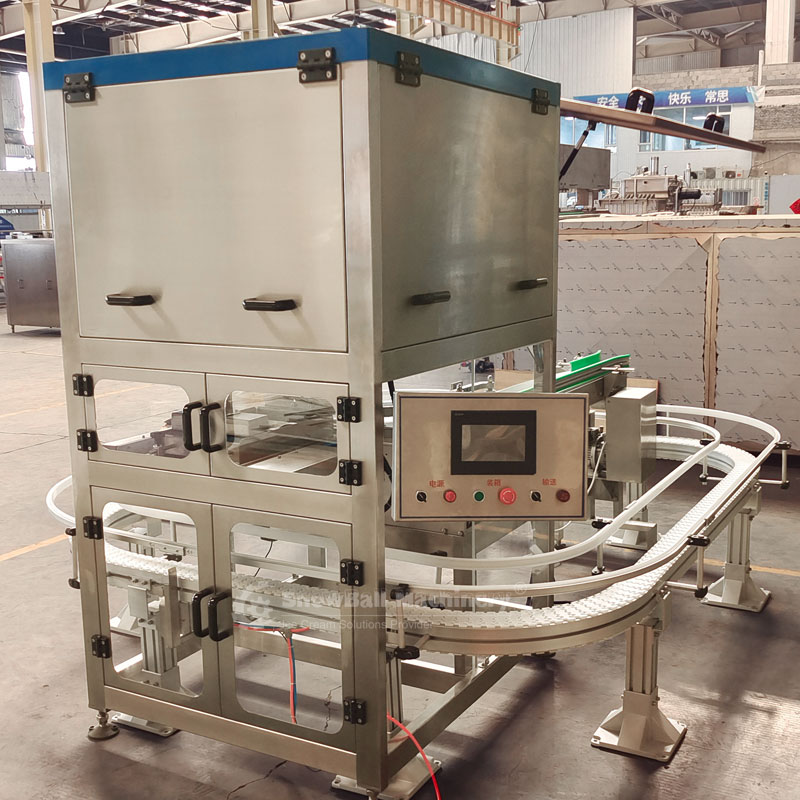
Figure 5 — Ice cream cartoner (SNB family). Packaging and cold-chain modules should be included in the same compliance package as the production equipment.
Plan compliance before you plan fabrication. Send your destination market, product formats and target capacity to Snowball Machinery, and the team will map them onto a line configuration, a material grade and a documentation list.
Website: icecreammachinemanufacturer.com · Knowledge base: blog.icecreammachinemanufacturer.com · Email: ice@snowballmachinery.com
Brochure and full equipment catalogue: download the PDF.
Have Questions or Need More Details?
Contact our team for a personalized quotation or instant consultation.
Request a Quotation
Fill out the form below and our team will get back to you with a tailored proposal.

LINE Direct Chat
Prefer to chat in real-time? Message us on LINE for instant assistance & quick answers.
- Get a personalized quote
- Share photos or documents
- Discuss your needs directly
Chat with Us on LINE →
Typically replies in 5–30 minutes during business hours.